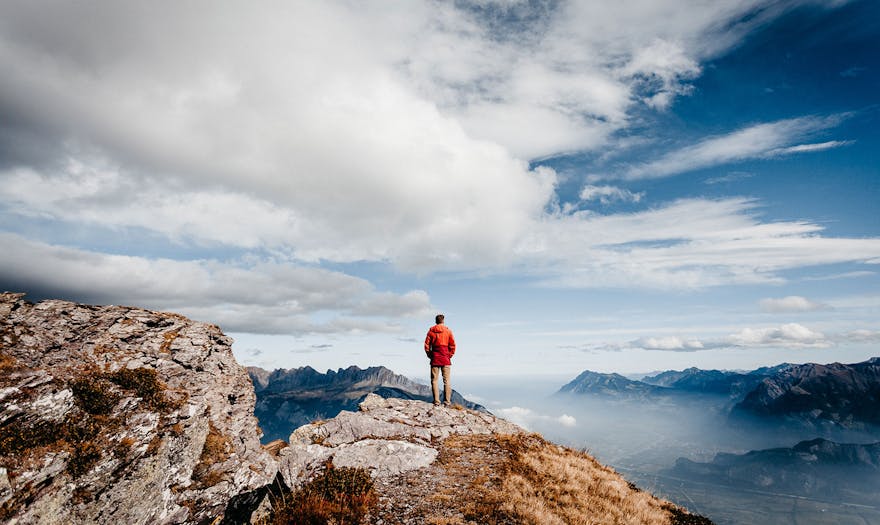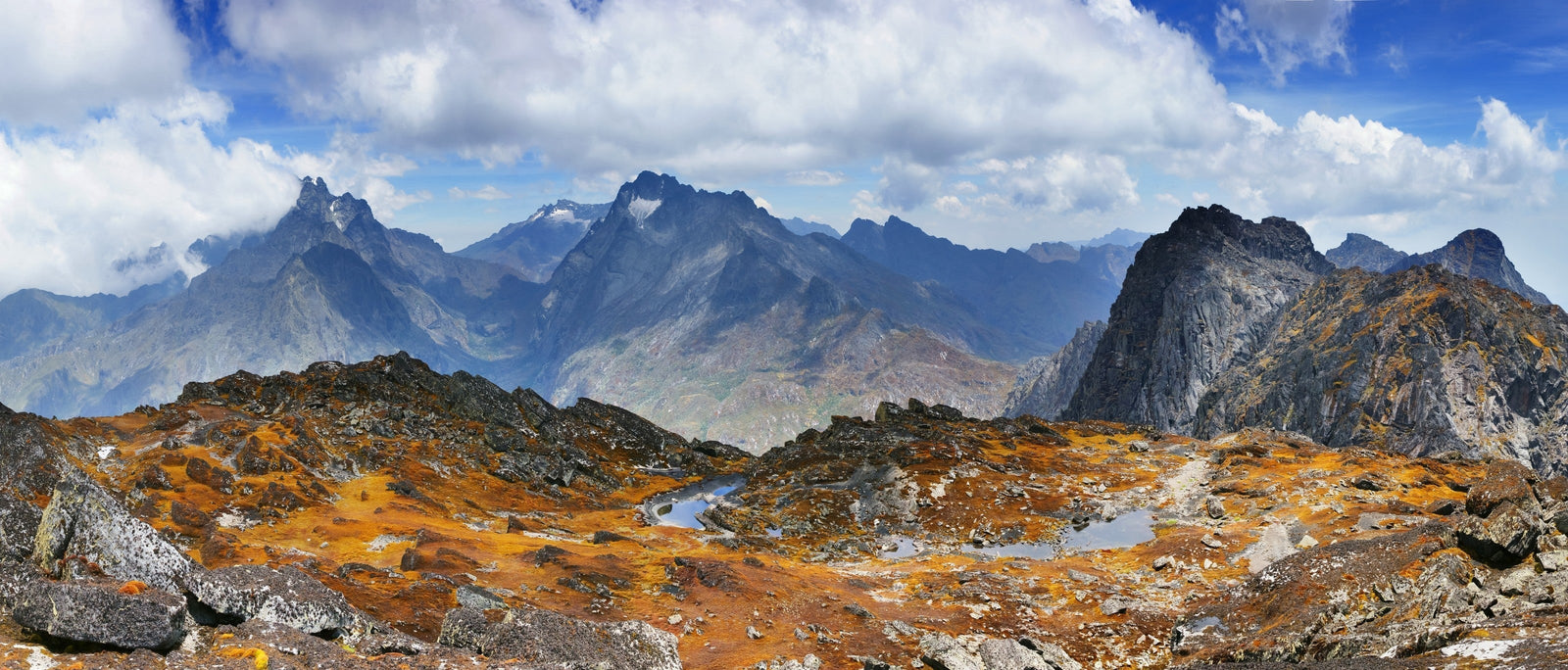

Before I had even made plans to visit Switzerland, I knew that if I was ever fortunate enough to travel there, there was one place in particular I had to see in person, no matter what it took. After a friend sent me a photo of a stunningly blue, glacier-fed lake called Wildsee, located some 2,493m (8,179ft) high in the Swiss Alps, I instantly put it on my bucket list.

10km (6 miles) – a loop route starting and finishing at the Pizolhütte cable car station, descending to Gaffia.
Ascent: 640m (2,100ft). Descent: 1,100m (3,609ft). The route climbs steeply from the chairlift terminus before descending progressively through the lakes to the valley floor.
Outward: 3h 50min. Return: 4h 15min. Allow a full day to do the hike justice, particularly if you want time to linger at the lakes.
Physical requirements: Difficult. Technical requirements: Medium. The first ascent from the chairlift is the hardest section – steep and unrelenting. Good fitness and appropriate footwear are essential. The route is waymarked throughout.
June to October. Snow typically clears from the higher sections by early to mid-June. Outside this window the trail is likely to be snow-covered and the chairlift may not be running – always check conditions before setting out.
Wangs-Pizol (Pizolhütte to Gaffia).
Pizol is located in the canton of St Gallen in northeastern Switzerland, near the small resort town of Bad Ragaz. It is straightforward to reach by both public transport and car.
The journey from Zurich takes around 1 hour 15 minutes by train. Take a direct InterCity service from Zurich Hauptbahnhof to Sargans (trains run approximately every 30 minutes), then connect by bus or taxi to Wangs village and the Pizol cable car base station. The total journey is typically under 90 minutes. Sargans station is well-served and the connection is easy to manage with luggage or a pack.
St Gallen is around 45 minutes from Sargans by train, making it a convenient intermediate base if you want to explore the wider region. From Sargans, follow the same onward connection to Wangs as above.
The hike begins at altitude – you cannot walk to the trailhead from the valley without adding significant distance and elevation to the route. The Pizol cable car departs from Wangs and ascends to the Pizolhütte at around 2,227m. Check the operating timetable before you travel, as the last descent is typically mid-afternoon and the service does not run outside the summer walking season. Current timetables and ticket prices are available at pizol.com.
Driving to Wangs is straightforward from the A13 motorway (exit Bad Ragaz). Parking is available at the cable car base station in Wangs. Note that the route is a point-to-point descent finishing at Gaffia rather than returning to the cable car base, so if you arrive by car you will need to factor in the return journey from Gaffia back to Wangs – either on foot (around 45 minutes along the valley road) or by local bus.
The 5 Seen Wanderung takes its name from the five Alpine lakes that punctuate the route, each one different in character and each one a reward in itself. Here is what to expect from each.
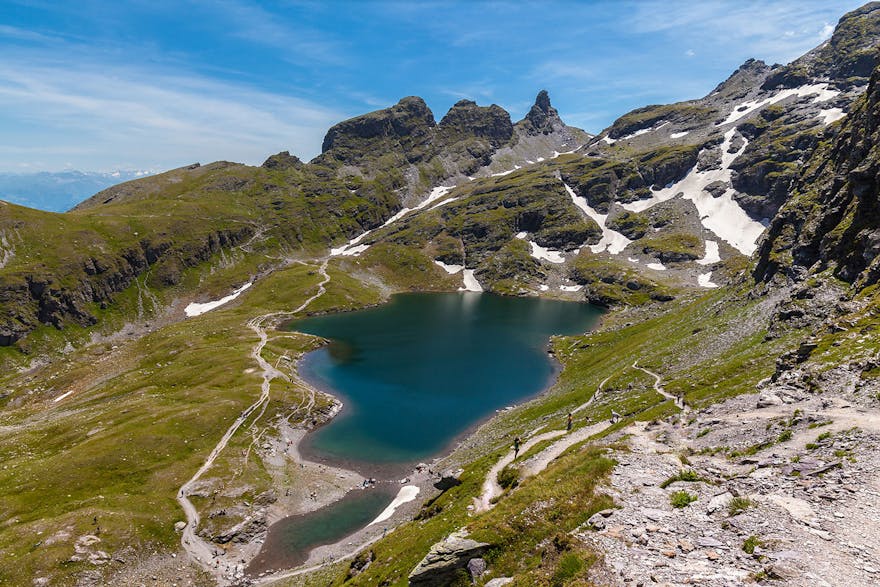
Baschalvasee is the first lake you encounter after the brutal opening climb from the chairlift station. Sitting at around 2,222m, it comes into view dramatically as you crest the ridge – a wide, steel-blue stretch of water in a glacially carved bowl, surrounded by bare rock and mountain pasture. After the effort of the ascent, the sight of it is both a relief and a revelation.
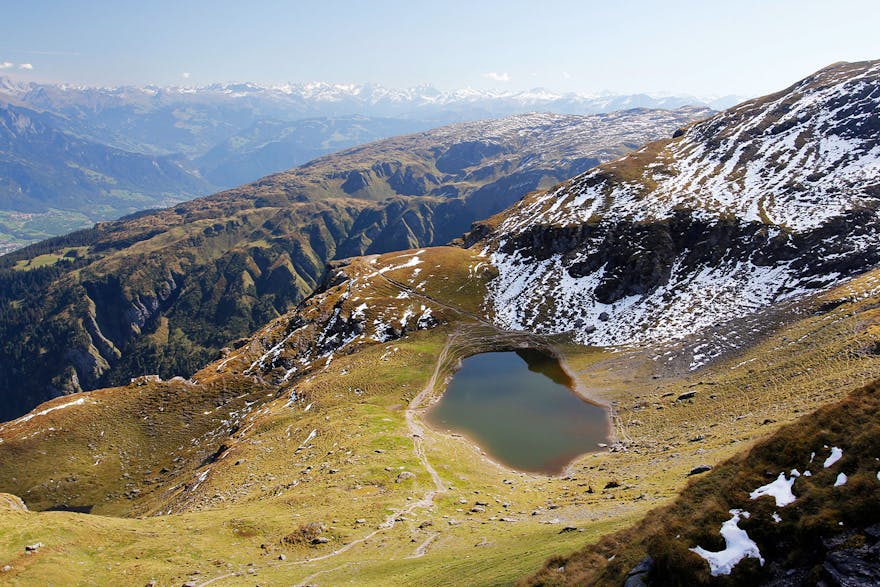
Schottensee is the most tranquil of the five lakes – a smaller, quieter body of water set in a gently sloping hollow, often glassy calm in the morning and reflecting the surrounding peaks. It sits roughly mid-route and marks a natural rest point before the trail climbs again towards Wildsee. The name translates loosely as the ‘Scottish lake’, a nod to the weathered, moorland-like landscape surrounding it.
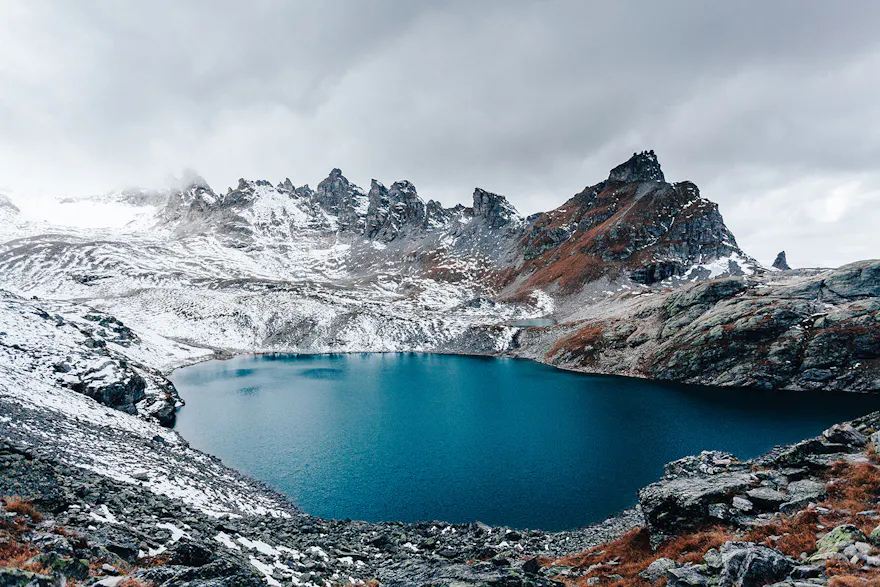
Wildsee – the ‘wild lake’ – is the centrepiece and the destination that draws most hikers to the route. At 2,493m it is the highest of the five and arguably the most spectacular lake in the Swiss Alps that can be reached without technical equipment. Its extraordinary turquoise-blue colour comes from glacial meltwater filtering through the surrounding rock, and the lake is ringed by snow-dusted crags even in high summer. This is what you came for.
Schwarzsee – the ‘black lake’ – owes its name to the dark, peaty water that fills this lower-lying tarn, a striking contrast to the vivid blues of Wildsee above. It sits on the descending leg of the route and has a wilder, more remote feel than the lakes higher up, partly because fewer hikers linger here on their way down to the valley. Worth a pause, and often very peaceful.
The fifth lake on the route – sometimes listed as Seebenalpsee – sits on the lower section of the descent towards Gaffia and rounds off the collection beautifully. Larger and more accessible than the high-alpine lakes above it, it has a gentle, pastoral quality that feels like a gradual return to civilisation after the raw grandeur of the route above. Cattle graze the surrounding meadows in summer, and on a clear day it offers long views back up to the ridge you crossed hours earlier.
The Five Lake Hike is a serious mountain route and deserves to be treated as such. The altitude, exposure and volatile weather conditions in the Swiss Alps mean that what you carry can make a significant difference to both your comfort and your safety. The key principle is exactly what the route demands of you physically: go light, but go prepared.
A good waterproof jacket is non-negotiable. Conditions above 2,000m can change extremely quickly – sunny skies at the chairlift can give way to rain, wind or even sleet within an hour. Layering underneath is equally important: a mid-layer fleece or insulated jacket handles the cold at the higher lakes, while a lightweight base layer wicks moisture during the steep climbs. Temperatures at Wildsee can drop sharply even on a warm day, so don't be tempted to leave insulation behind.
Footwear matters enormously on this route. The descent is long, steep and involves rocky, uneven terrain – walking boots with good ankle support and a grippy Vibram-type sole are strongly recommended over trail runners, particularly if there is any residual snow on the higher sections early or late in the season. Pair them with a quality pair of merino hiking socks to manage moisture and prevent blisters on the descent.
For the pack itself, a daypack in the 20–30 litre range is the right call – enough capacity to carry the essentials without becoming a burden on the climbs. The essentials: at least 2 litres of water (refill opportunities are limited on the route), sufficient food for a full day, a basic first aid kit, sun protection and a map or downloaded GPX track. A head torch is worth throwing in as a backup; if you’re slower than expected or the weather turns, you don't want to be descending unfamiliar terrain in the dark.
Most hikers tackle the Five Lake Hike as a day trip from Zurich or St Gallen, but staying locally adds considerably to the experience – particularly if you want an early start to beat the summer crowds at Wildsee.
Pizolhütte – the mountain hut at the chairlift station is the most dramatic overnight option, sitting right at the trailhead at 2,227m. Dormitory and private room accommodation is available during the summer season, and waking up at altitude with the first light on the surrounding peaks before the day hikers arrive is a genuinely special experience. Book well in advance for summer weekends.
Bad Ragaz – the spa town at the foot of the Pizol valley is the most convenient base for the hike, with a wide range of hotels from budget to luxury. It is also a pleasant destination in its own right, with thermal baths and good restaurants. The cable car base at Wangs is a short drive or bus ride from the town centre.
Sargans – the railway junction town 10km north of Bad Ragaz has more affordable accommodation and excellent transport connections to Zurich, St Gallen and onward into Liechtenstein and Austria. A practical choice for those on a tighter budget or combining the Five Lake Hike with wider travel in the region.

Wildsee is located near the small town of Pizol, tucked at the base of the Swiss Alps. The hike begins high up in the mountains – you have to take a chair lift to reach the trailhead.

The hike itself is known as the 5 Seen Wanderung, or the Five Lake Hike. It is an 18 km loop which takes you past five stunning lakes high in the mountains. Over the course of the hike, you experience a climb of 650m (2,100ft) and a descent of 1,100m (3,609ft). The lakes are all descriptively named. Wildsee appropriately translates as the ‘wild lake’.

Once you get off the chair lift, the trail is visible before you. It quickly climbs pretty much straight up and around a mountain peak, which will give even an experienced hiker a good challenge. While it’s wise to be prepared for variable weather, try not to take too heavy a pack!

Halfway through the first hill, I had doubts about even being able to complete the hike. I was already exhausted from a gruelling day of travel the previous day, and the extra weight on my back and the ridiculously steep incline of the hill were not doing me any favours. I thought several times about turning around and calling it quits, but I knew it was something I had to do – and something I would remember as a moment of strength and perseverance.

Slowly, I made it up the first mountain, which turned out to be the hardest of the hike. Once I saw the sprawling mountains around me, and Baschalvasee, the first of the five lakes below me, I was floored. I couldn’t believe what my eyes were seeing – it was just as epic as I had imagined it would be.

I came down past Baschalvasee, and kept on. I somehow found the energy to make it up the incredibly steep hills, using the lakes as landmarks for how close I was to seeing Wildsee, the very last, and the most impressive, lake on the hike. The stunning landscapes all around me helped to provide a much needed distraction from the aches and pains.

The weather on the hike can be extremely volatile – when I walked the route, it was sunny as I began hiking, but later clouds moved in, and it started to rain. It is incredibly important to be prepared in situations like these, as a serious storm could move in and leave you stranded. Pack spare layers, including waterproofs, as well as plenty of food and water, as well as a first aid kit and head torch.

Eventually, I grew so tired and exhausted that the only thing keeping me going was the mental image of what Wildsee would look like when I finally saw it. As I passed Schottensee, I knew what was ahead. I looked up at the steep climb, the last one on the hike, knowing that I was so close. I knew that what I had come so far from home to see was finally in reach. As I willed myself up the last peak, I was not prepared for what I saw before me.

I’ve seen Moraine Lake in Alberta. I've been to Diablo Lake in the North Cascades. I’ve hiked (and fallen in) Iceberg Lake in Glacier National Park, Montana. With all these epic lakes under my belt, it’s a wonder how I could be this excited to see Wildsee. Not only was I excited, but it was one of those times where you can’t believe how incredible what you are seeing truly is.

As I came around the last bend, I laid my eyes upon Wildsee, one of the deepest, bluest lakes I have ever seen. The lake was surrounded by incredible snow-covered crags, making the lake that much more impressive. I was in awe.
It was worth it. It was worth the ridiculous train rides. It was worth almost sleeping on the streets the night before. And it was certainly worth the hike that I willed my body against all odds to do.
The Five Lake Hike is 10km (6 miles) in total, following a loop route from the Pizolhütte cable car station down to Gaffia. Allow around four hours of walking time, plus additional time for rest stops and lingering at the lakes. Most hikers treat it as a full day out – and with Wildsee at the top and four other lakes along the route, there is plenty of reason to take your time.
The hike is graded as physically difficult, with medium technical requirements. The opening ascent from the chairlift is the most demanding section – steep, unrelenting and testing even for fit, experienced hikers. The route becomes progressively easier as you descend through the lakes, but the total descent of 1,100m (3,609ft) means legs and knees will feel it by the end. Good fitness, appropriate footwear and a light pack are all important. The trail is well-waymarked throughout and requires no technical mountaineering skills, but it should not be underestimated.
The trailhead is at the Pizolhütte cable car station above Wangs, near Bad Ragaz in the canton of St Gallen. The most convenient approach by public transport is to take a train from Zurich Hauptbahnhof to Sargans (around 1 hour 15 minutes), then connect by bus or taxi to the cable car base at Wangs. From St Gallen, Sargans is around 45 minutes by train. By car, take the A13 motorway and exit at Bad Ragaz; parking is available at the Wangs cable car station. The Pizol cable car operates seasonally from approximately June to October – always check the current timetable at pizol.com before travelling.
The walking season runs from June to October. July and August offer the most reliable weather and the best chance of the vivid blue colours the lakes are famous for, as snowmelt is at its peak during these months. Early June can still have snow on the higher sections, making the route harder and potentially dangerous without the right footwear. September is an excellent month – quieter than high summer, with good visibility and the first hints of autumn colour in the lower valleys. October is the tail end of the season and conditions can be unpredictable; check the forecast carefully and confirm the cable car is still running before heading out.
![]() |
![]() |
Images: 1, 5, 9: vogelsp/Adobe; 2, 4, 6, 7, 8, 10, 11: HB Mertz; 3: Michael Szönyi/Alamy; 12: lehvis/Adobe