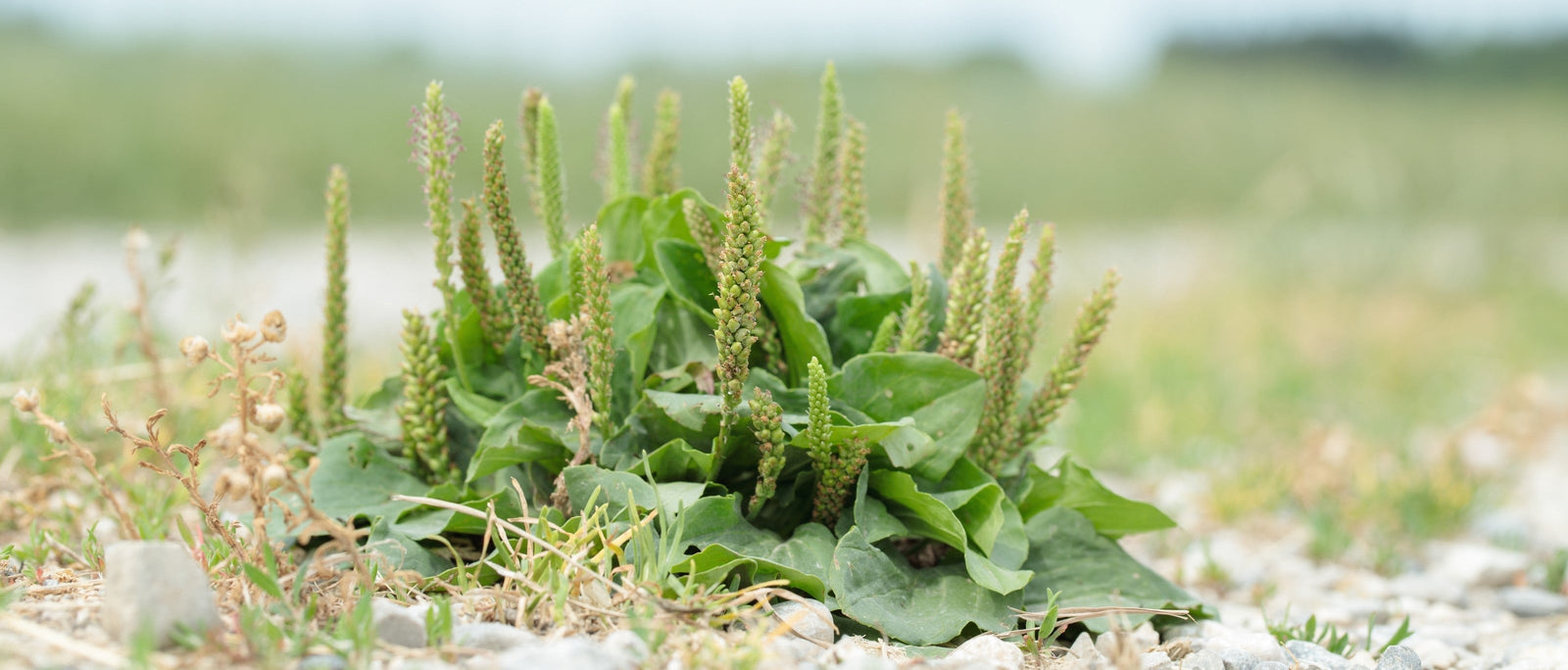
A common weed, plantain is a fantastically versatile plant. The leaves can be eaten, used to make a health-giving tea or applied to the skin to soothe itchy bites and stings.
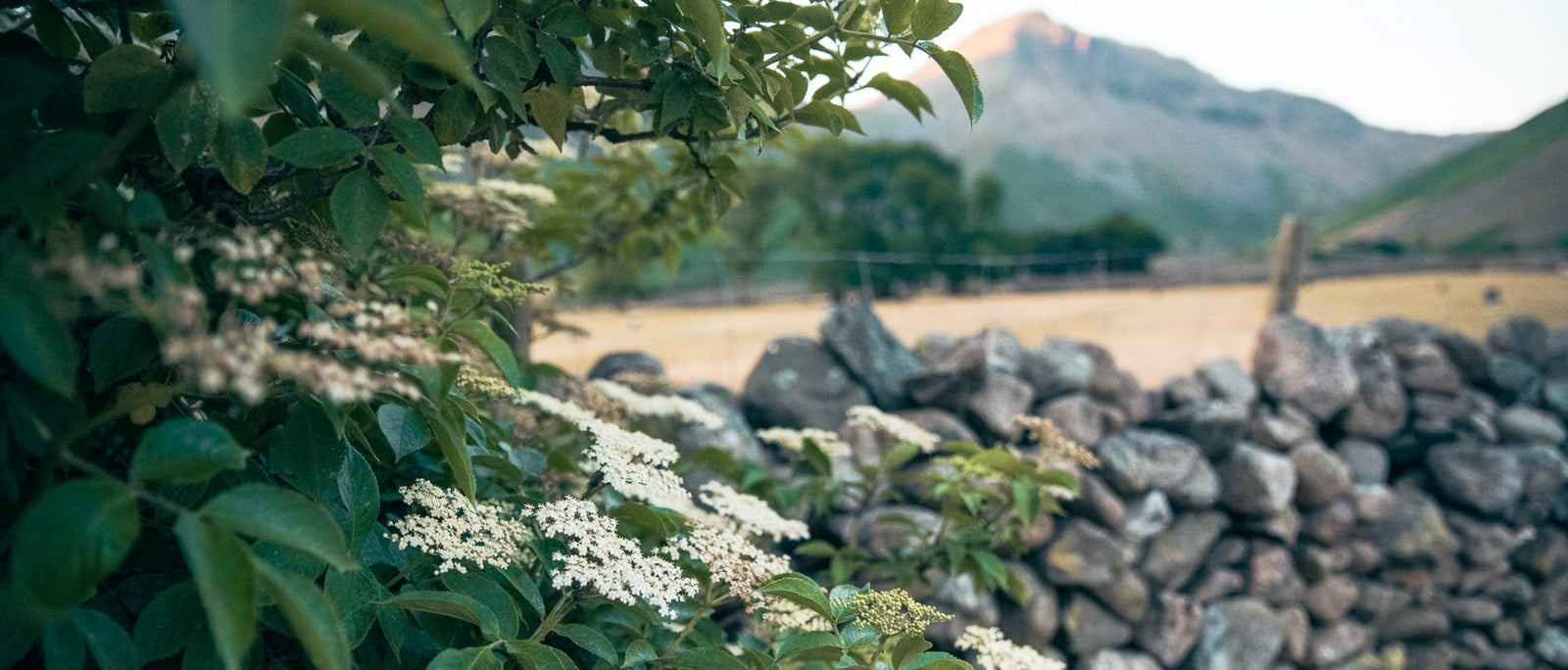
Usually found growing in hedgerows and along country lanes, creamy-white elderflowers can be picked to make a refreshing cordial that is the quintessential taste of British summer.
A gravel bike adventure through rural Catalonia into the breathtaking Collsacabra mountains, fuelled by expedition chef Kieran Creevy's unique take on regional cuisine.
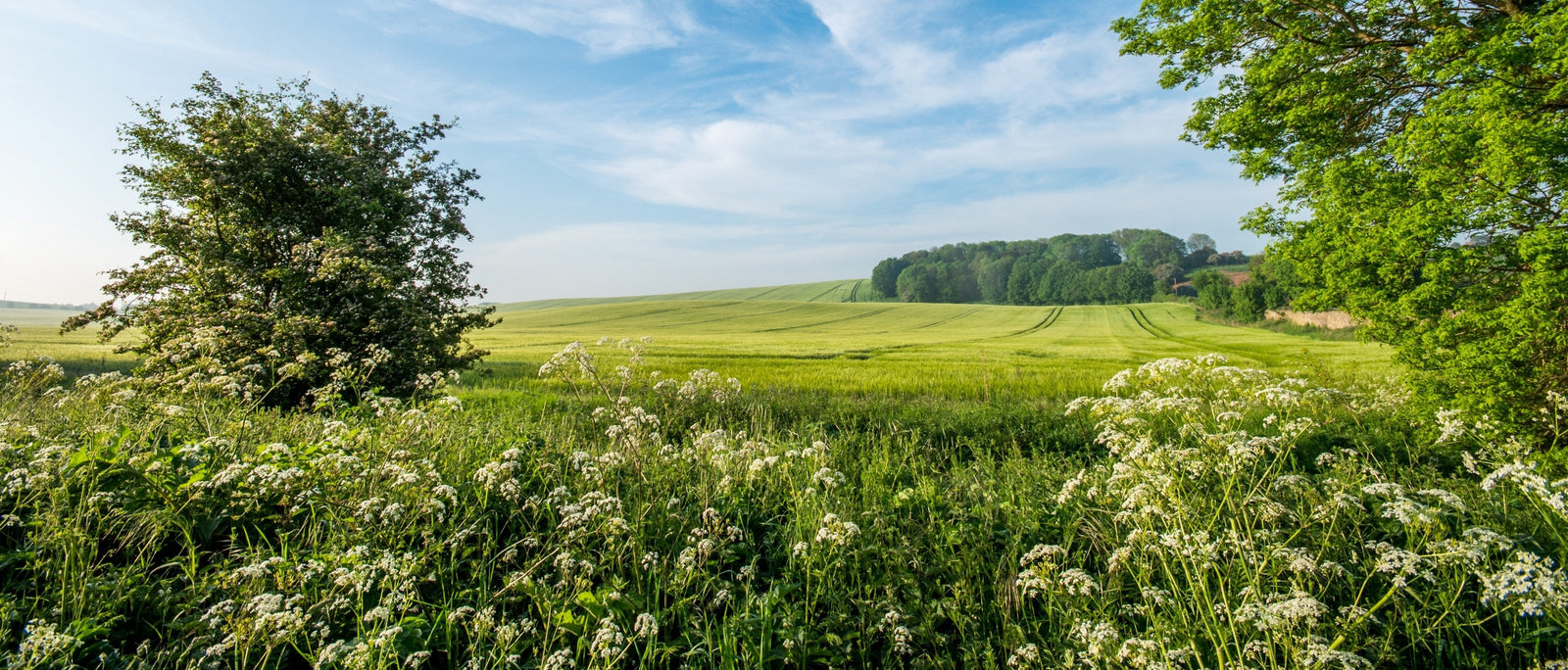
As well as being a valuable wildlife habitat, hedgerows can also be rich pickings for foragers. Here's what to look for on your next countryside ramble.
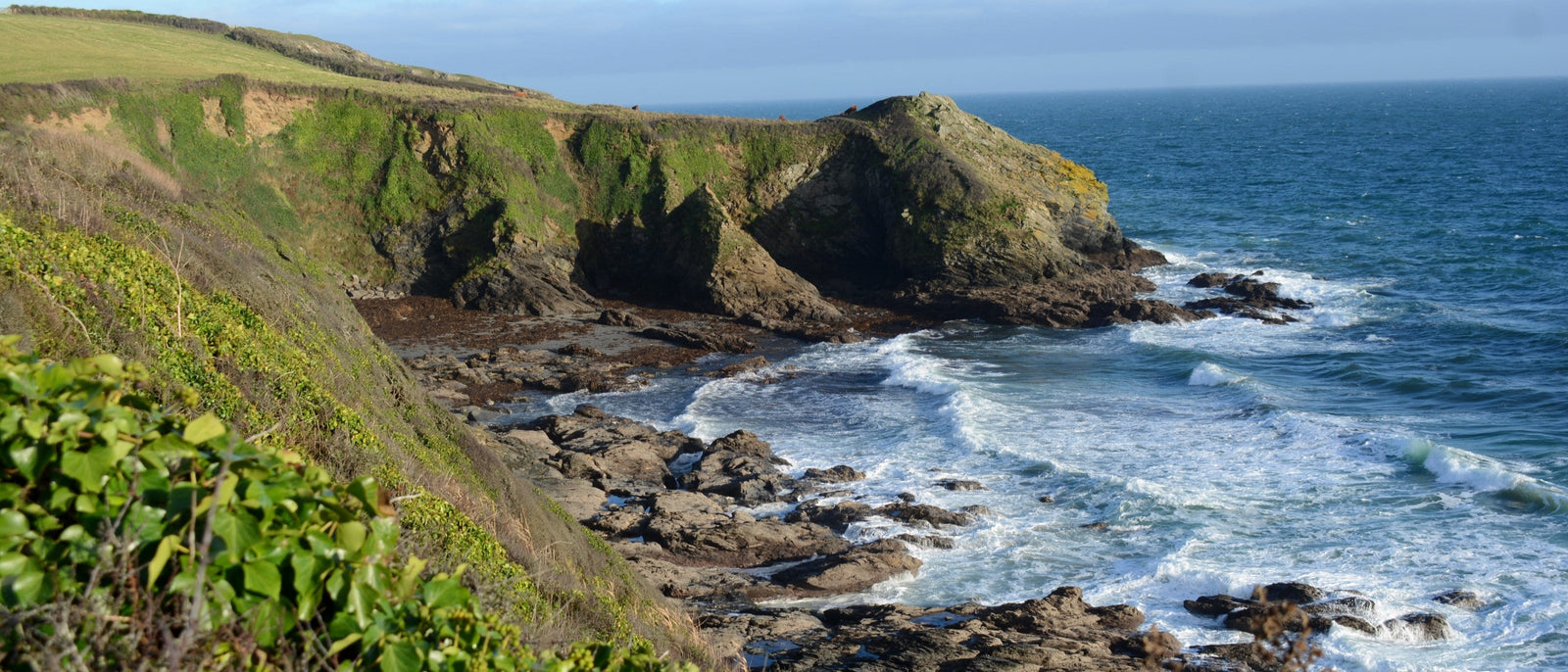
Our beaches, headlands, shorelines and clifftops can be a forager’s paradise. Wild food expert Dave Hamilton highlights the easiest edible plants to find on your next visit to the coast.
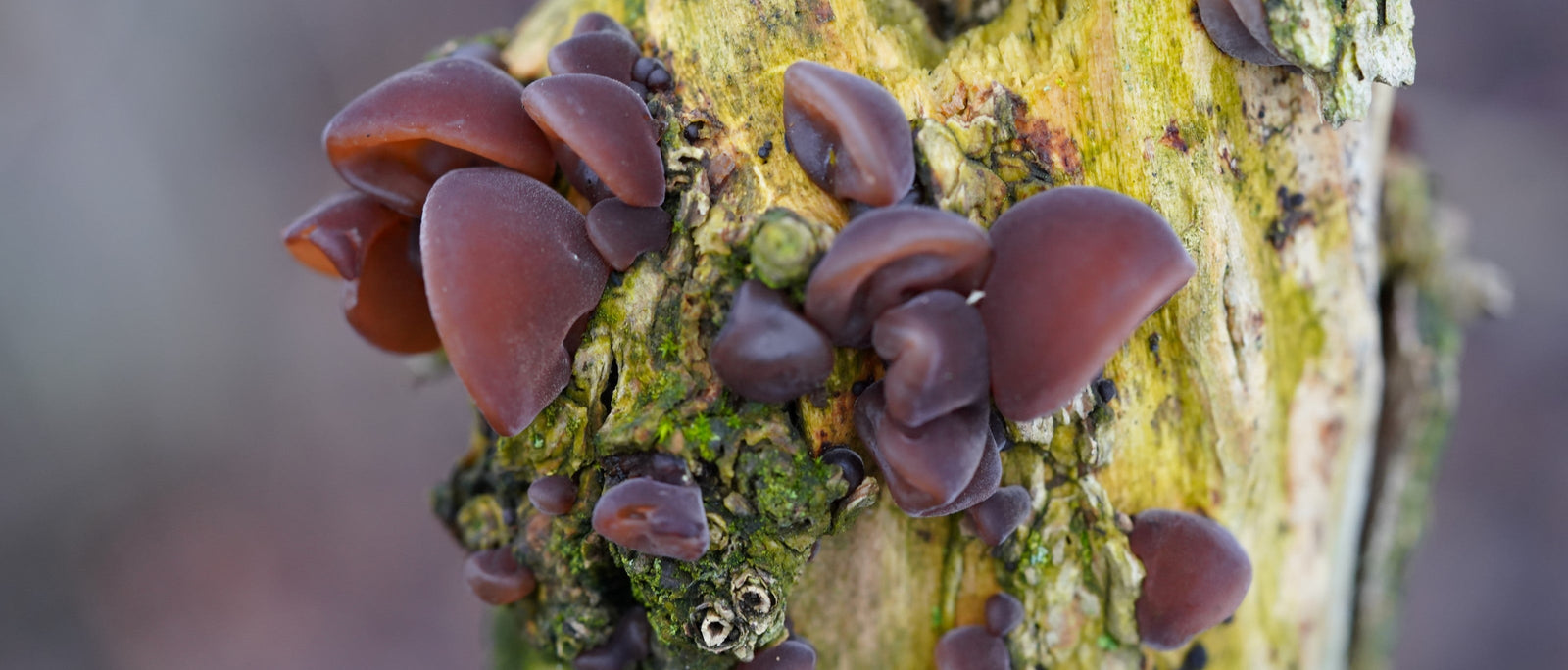
Usually found growing on dead or decaying elder trees, this distinctive mushroom can be foraged throughout the year. And though it sounds unusual, they make delicious soft-centred liqueur chocolates.
Expedition chef Kieran Creevy is faced with extreme weather that nearly derails his team’s backcountry skiing and cold-water surfing plans. Fortunately, his food comes together: Arctic char followed by a classic Nordic dessert.
Distinctive and delicious, puffball mushrooms are an easy-to-identify fungi suitable for the novice forager. They taste great in Japanese Ramen dishes.
A highly prized and much sought-after edible mushroom, the Porcini or Cep – also called the Penny Bun or King Bolete – is a real treasure for woodland foragers.
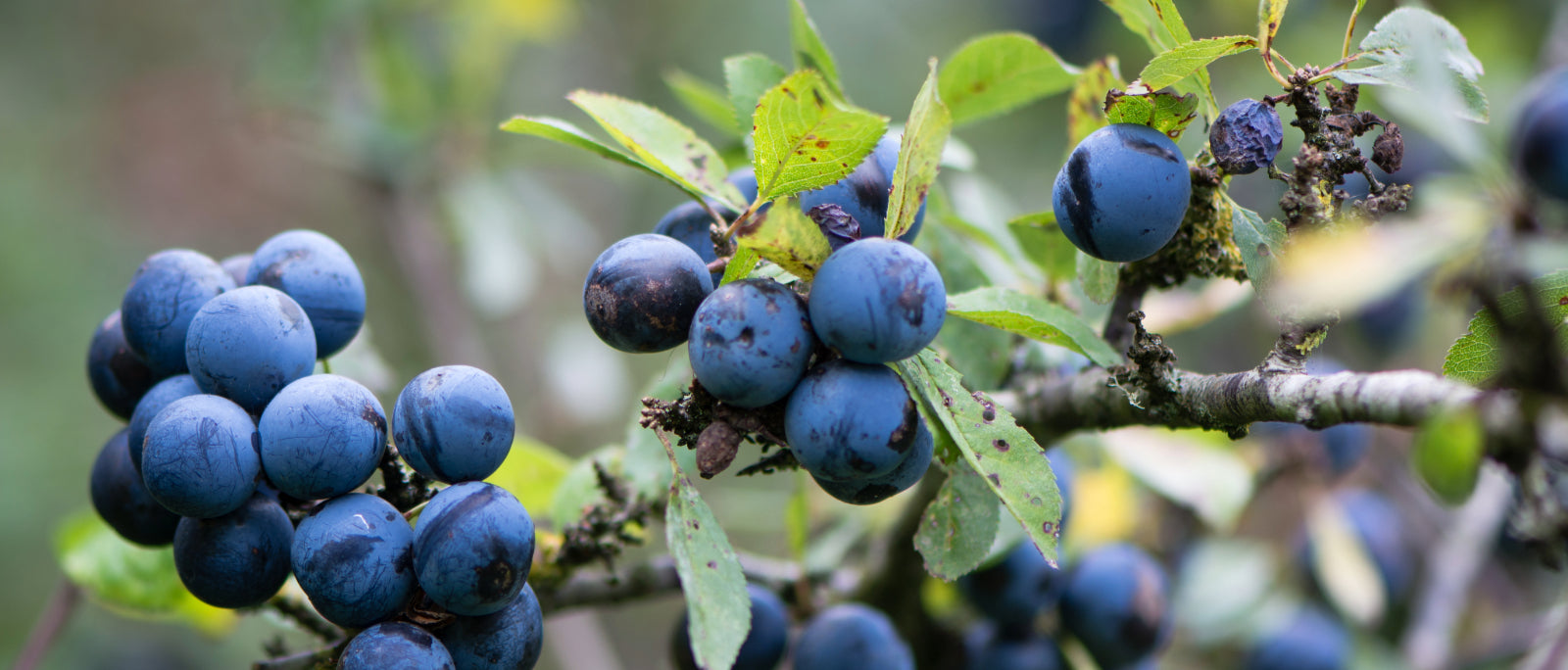
This much-loved hedgerow fruit is a tiny plum that is native to Britain. It is most commonly used to make sloe gin, but it can also be brined and eaten as a delicious olive-like snack.