Camp
  • Five Reasons Why a Bivvy is Better Than a Tent
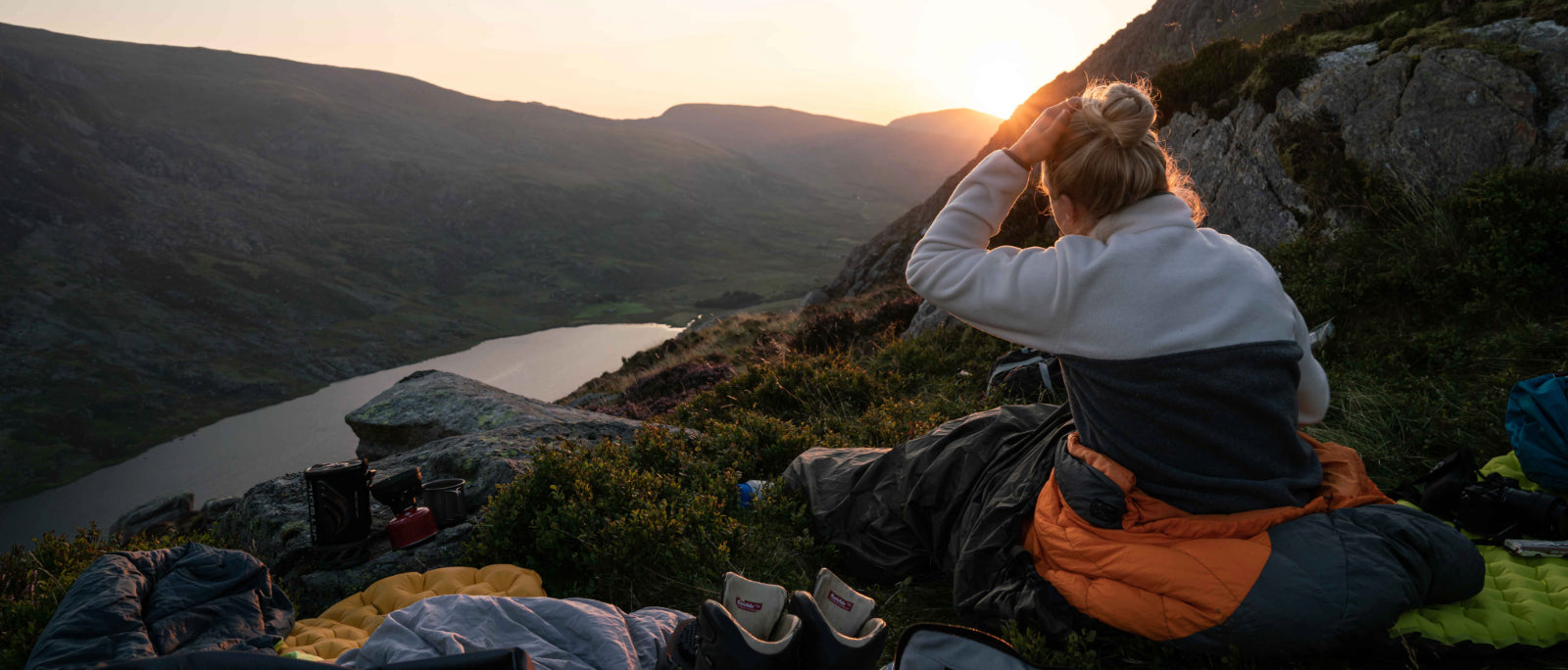
    When it comes to sleeping outdoors, most wild campers go for a tent. But we reckon the finest way to spend a night in the hills is nestled in a bivvy bag. To prove the point, here are five reasons why bivvying beats sleeping under canvas.

    Five Reasons Why a Bivvy is Better Than a Tent | Camp Notes | WildBounds UK

    19th July 2023 | Words by Elliott Waring


    Sleeping out in the backcountry is one of the finest, simplest outdoor pleasures. No crowds, no unwanted noise. Just you, the hills and your chosen camp buddies. Of course, when it comes to choosing your sleep system for a hillside sleep-out, there are many different options available to the would-be camper. But we reckon the finest – and the purest – of them all is the humble bivouac bag, typically known as a ‘bivvy’, ‘bivy’ or even a ‘bivi’. But why is a bivvy better than a tent? Here are five simple reasons why it beats sleeping under canvas (or ripstop nylon), which might hopefully inspire you to try a bivouac adventure of your own.

    WildBounds Outdoors Image Landscape 1

    1. Space

    A bivvy bag takes up less space in every department. Firstly, when packing all your kit for an overnight adventure, a bivvy bag will be smaller than even the most packable one-person tent or solo shelter. In fact, without poles, pegs or guy lines, many bivvy bags pack down to the same size as a Nalgene water bottle, leaving more room in your bag for luxuries, like snacks – or maybe gadgets like your Aeropress, for that glorious hit of morning coffee.

    Secondly, when you find your perfect spot to sleep, a bivvy bag only requires enough room for you to lie down. Unlike pitching a tent, you can nestle down into a human sized flat spot, or if you’re feeling brave, onto a small ledge with an epic view – think old school @youdidnotsleepthere

    Then there’s the fact that the smaller footprint and lower profile of a bivvy bag also means you can easily seek shelter under overhanging rocks or crags – especially useful when the wind is howling.

    Man camping outdoors in a sleeping bag making coffee using AeroPress

    2. Weight

    Just as a bivvy takes up less space in your pack, it also weighs less than a tent. Admittedly, the difference between the two has closed in recent years, particularly with the advent of ultralight single skin tents, but you will usually still save grams by leaving the tent at home.

    For longer, more demanding expeditions this is particularly important. You won’t often find alpinists carrying tents on multi-day climbs, as the extra weight on such a sustained effort can take it out of you. Budget bivvy bags usually weigh somewhere in the region of 500g, whereas top tier bags weigh as little as 200g. Compared to the lightest one man tents out there, that’s a decent weight saving.

    Man camping outdoors using Jetboil

    3. Budget

    As with most outdoor gear, tents become eye wateringly expensive the more you try to save weight. A half decent backcountry tent can cost anywhere from £300 to £600, which for a lot of us is a big chunk of cash. In contrast, you can pick a budget bivvy bag up for around £50 and a high-end bag for little over £100.

    Guys camping outdoors with their tents with Nemo Tensor mat

    4. Efficiency and simplicity

    If you’ve ever arrived at your planned wild camp spot after a long day on your feet, perhaps in the dark and feeling completely knackered, you’ll know that the last thing you want to do is wrestle with pitching a tent in high winds. Enter the brilliant bivvy bag that requires no effort or brain power; simply inflate your sleeping mat, put your sleeping bag inside, and you’re all set.

    Woman outdoors sitting having coffee wearing a white fleece

    5. Open air

    Finally, and most importantly in my book, using a bivvy gives you the opportunity to sleep under the stars (provided it’s a clear night), which is incredibly liberating. Drifting off to sleep with the wind on your face is, without being too cringe, a magical feeling. Personally, I absolutely love rolling myself up into a cocoon, putting a beanie on and settling down in my bag for the night. No canvas above you, just the open air (and maybe a few spots of rain – this is the UK, after all…)

    Overall, I think the bivvy bag is the smarter choice in many situations. Of course, there are some drawbacks and in certain situations and weather conditions a tent is going to stand up better than the humble bivouac. But if you’re looking for a pure outdoor experience and the weather looks favourable, leave the tent at home and spend the night in a bivvy under the open sky. You won’t regret it.

    For the ultimate luxury bivvy sleep system, take a look at Sierra Design’s Backcountry Beds and Backcountry Bivys.


    Elliott Waring is an outdoor writer and photographer. You can check out more of his work at elliottwaring.com.

    Twitter Website

    Outdoors Landscape


    Also in Camp Notes

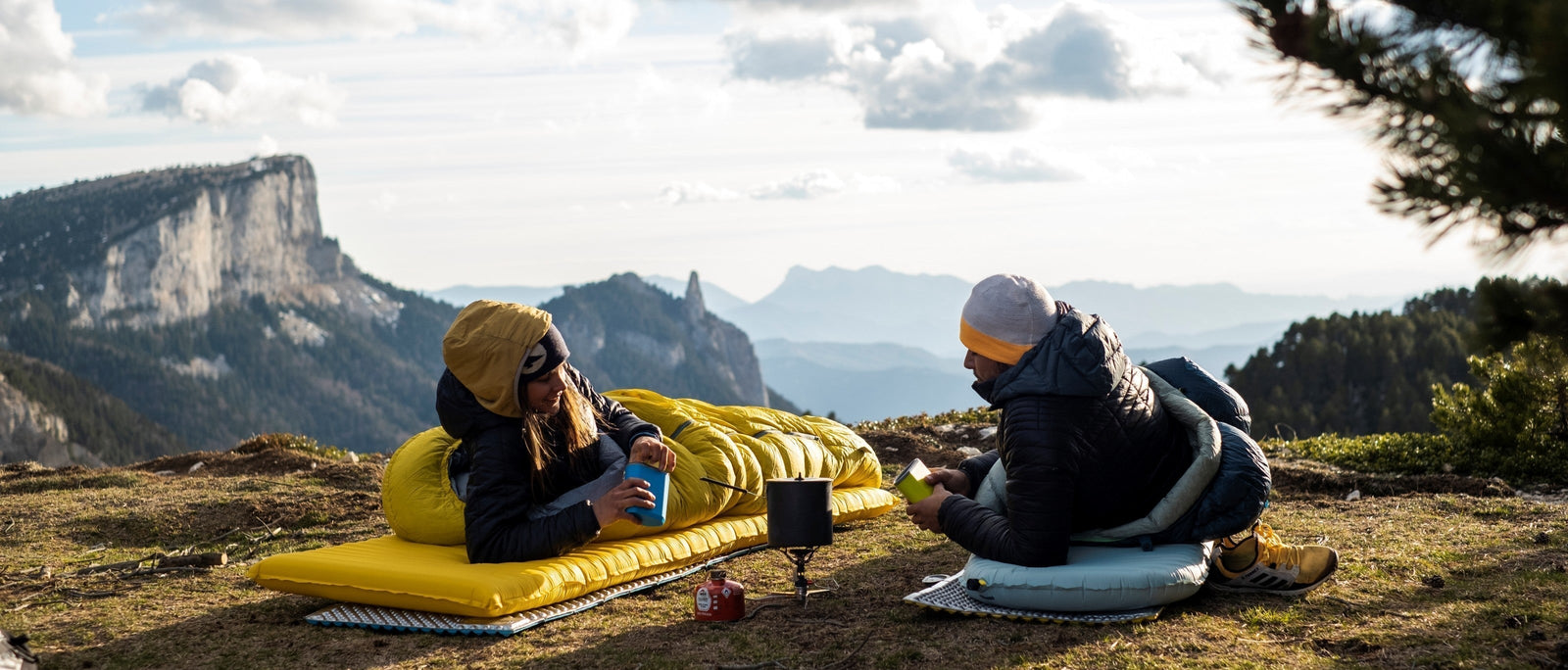
    A man and a woman lying on sleeping mats and bags on an open hillside, with a dramatic mountain cliff and wide alpine valley behind them, sharing a hot drink from a camping stove.
    The Ultimate Guide to Sleeping Mats and Pads

    Comfort, warmth, durability, weight and bulk: there’s a lot to consider when choosing the right sleeping mat. Whether you’re buying your first pad or upgrading a well-worn setup, here’s everything you need to know.

    Camping Gas Explained | Camp Notes | WildBounds UK
    Camping Gas Explained

    Which gas is best for camping and backpacking? Which gas canisters will work with my stove? And how long will a canister last? All your burning questions about camping gas answered…

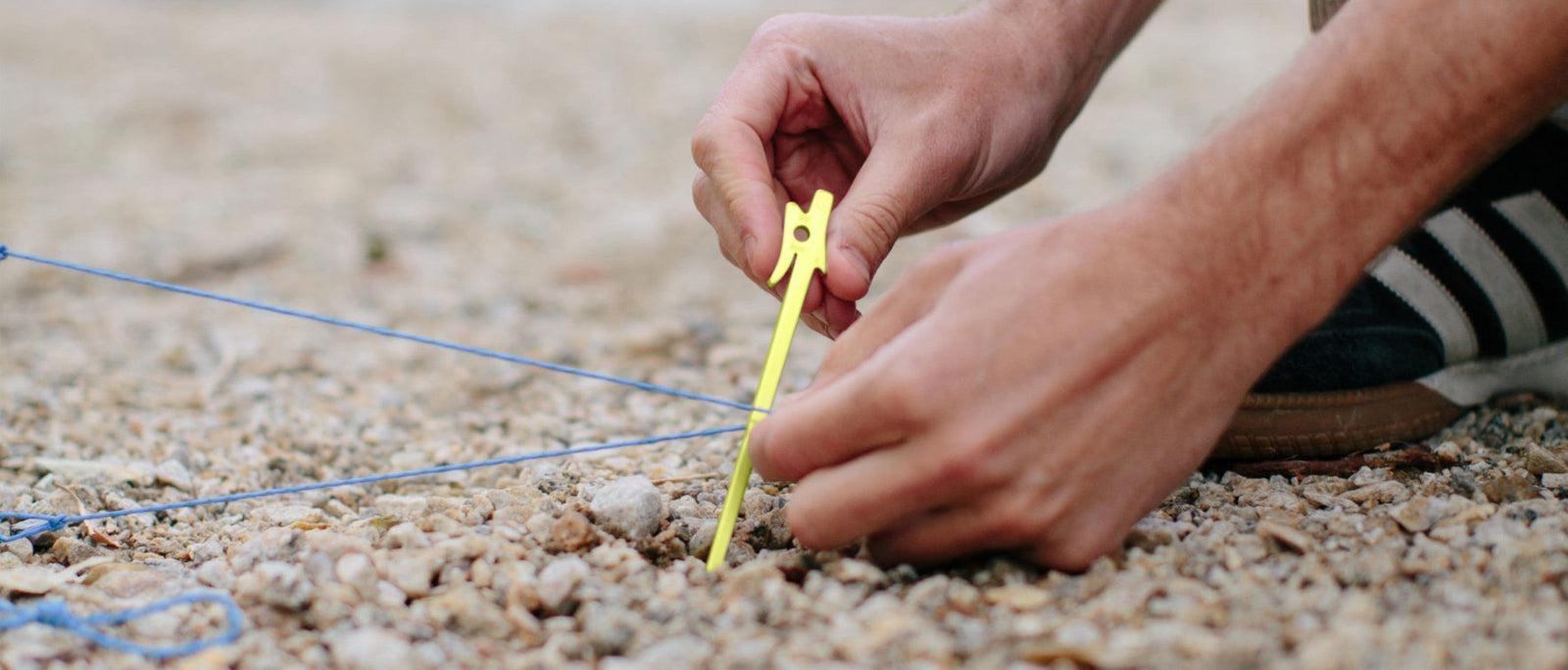
    Inserting a NEMO Airpin – an evolution of the tried and tested needle stake design – into stony ground.
    Tent Pegs & Stakes: The Ultimate Guide to Types & Uses

    Which tent pegs are best for backpacking and wild camping? We highlight top designs for varying ground types to ensure a secure pitch every time.